IMPORTANT DEFINITIONS
Important Definitions
Key Anti-Doping Terms Every Athlete Should Know
Understanding anti-doping terminology is essential for every athlete to compete fairly, protect their health, and comply with the rules.
From Therapeutic Use Exemptions (TUEs) to Whereabouts, ADRV, and the Prohibited List, knowing these terms helps athletes navigate the anti-doping system confidently and avoid unintentional violations. Familiarizing yourself with these terms will help you navigate the anti-doping landscape and ensure compliance with the rules.
- World Anti-Doping Code (The Code): The core document that harmonizes anti-doping rules across all sports and countries. It ensures that all athletes are treated fairly and tested under the same standards.
- International Standards: Detailed technical and operational rules that support the Code — covering testing, TUEs, results management, laboratories, and education.
- ADAMS (Anti-Doping Administration and Management System): A secure WADA-managed online system where athletes and organizations manage whereabouts, TUEs, and testing information.
- TUE (Therapeutic Use Exemption): Official permission for an athlete to use a prohibited substance or method for a legitimate medical reason.
- Whereabouts: Information Registered Testing Pool (RTP) athletes must submit (training, residence, competition) to allow no-advance-notice testing.
- International-Level Athlete (ILA): Athletes who compete in sport at the international level, as defined by each International Federation, consistent with the International Standard for Testing and Investigations.
IPSC defines an International-Level Athlete any IPSC competitor member of an IPSC Region in good standing, allowed to compete in Sanctioned IPSC Matches Level IV (Continental matches) and Level V (World Shoot) - National-Level Athlete (NLA): Athletes who compete in sport at the national level, as defined by each National Anti-Doping Organization, consistent with the International Standard for Testing and Investigations.
IPSC defines a National-Level Athlete any IPSC competitor member of an IPSC Region in good standing, allowed to compete in Sanctioned IPSC Matches Level I (shooting club), Level II (estate/provincial match) and Level III (national match). - Event period: The Code states that the definition of event period “The time between the beginning and end of an event, as established by the ruling body of the event.”
- In-competition period: The Code defines the in-competition period as “The period commencing at 11:59 p.m. on the day before a competition in which the athlete is scheduled to participate through the end of such competition and the sample collection process related to such competition.”
- Out-of-competition period: The Code defines the out-of-competition period simply as “Any period which is not in-competition”.
- Doping Control: The process of testing, including athlete notification, sample collection, and lab analysis.
- Strict Liability: Athletes are responsible for any substance found in their body — intent or negligence does not excuse a violation.
- Anti-Doping Rule Violation (ADRV): Any breach of anti-doping rules, such as using, possessing, or attempting to use a prohibited substance or method.
Learn more about anti-doping terms in the WADA Anti-Doping Glossary



Your content goes here. Edit or remove this text inline or in the module Content settings. You can also style every aspect of this content in the module Design settings and even apply custom CSS to this text in the module Advanced settings.
Invitation to ITA December Webinar: “The Athlete Support Personnel – Athlete Relationship in Clean Sport”
Dear AIMS Members, As a part of AIMS collaboration with the International Testing Agency (ITA) we are delighted to inform you about the ITA's monthly webinars, which serve as an invaluable resource to enhance knowledge and promote best practices...
New ADEL Resources from AIMS and WADA
AIMS President message: Empowering the Next Generation with WADA’s Youth Anti-Doping Education InitiativeDear AIMS Members,We are thrilled to announce a powerful new initiative from the World Anti-Doping Agency (WADA), aimed at educating young athletes on the...
WADA releases new e-learning course and downloadable resources targeting youth athletes
Montreal, 1 November 2024The World Anti-Doping Agency (WADA) is pleased to announce two new additions to its Anti-Doping Education and Learning (ADEL) platform designed to enable Anti-Doping Organizations (ADOs) to educate youth athletes on the importance...
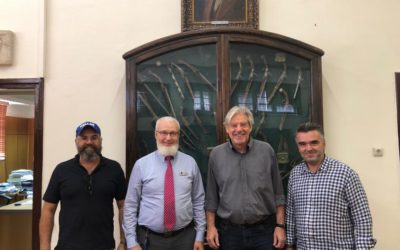
Mr. Ioannis Kelaidakis from Greece appointed as IPSC Scientific Research Director.
Mr. Ioannis Kelaidakis from Greece appointed as IPSC Scientific Research Director. The discipline of Practical Shooting has experienced great growth in recent years and more top athletes raise to the podium in every competition. To explore and study new...
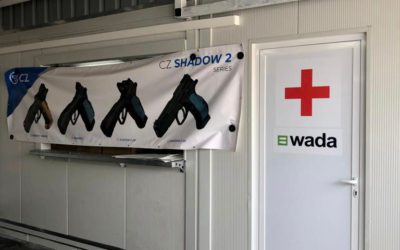
WADA Anti-Doping Testing Successfully Conducted at the 2023 EHC
WADA Anti-Doping Testing Successfully Conducted at the 2023 European Handgun Championship During the IPSC European Handgun Championship 2023 in Corinth, Greece, all athletes who took part in the Anti-Doping testing successfully passed the test. Testing performed - by...
WADA launches new e-learning course for Talented Level Athletes competing at a Major Event
Montreal, 29 August 2023 The World Anti-Doping Agency (WADA) is pleased to announce the launch of a new interactive education course, ‘Talented Level Athletes competing at a Major Event,’ on its Anti-Doping Education and Learning Platform (ADEL). The course, which is...
Invitation to ITA December Webinar: “The Athlete Support Personnel – Athlete Relationship in Clean Sport”
Dear AIMS Members, As a part of AIMS collaboration with the International Testing Agency (ITA) we are delighted to inform you about the ITA's monthly webinars, which serve as an invaluable resource to enhance knowledge and promote best practices...
New ADEL Resources from AIMS and WADA
AIMS President message: Empowering the Next Generation with WADA’s Youth Anti-Doping Education InitiativeDear AIMS Members,We are thrilled to announce a powerful new initiative from the World Anti-Doping Agency (WADA), aimed at educating young athletes on the...
WADA releases new e-learning course and downloadable resources targeting youth athletes
Montreal, 1 November 2024The World Anti-Doping Agency (WADA) is pleased to announce two new additions to its Anti-Doping Education and Learning (ADEL) platform designed to enable Anti-Doping Organizations (ADOs) to educate youth athletes on the importance...
Mr. Ioannis Kelaidakis from Greece appointed as IPSC Scientific Research Director.
Mr. Ioannis Kelaidakis from Greece appointed as IPSC Scientific Research Director. The discipline of Practical Shooting has experienced great growth in recent years and more top athletes raise to the podium in every competition. To explore and study new...
WADA Anti-Doping Testing Successfully Conducted at the 2023 EHC
WADA Anti-Doping Testing Successfully Conducted at the 2023 European Handgun Championship During the IPSC European Handgun Championship 2023 in Corinth, Greece, all athletes who took part in the Anti-Doping testing successfully passed the test. Testing performed - by...
WADA launches new e-learning course for Talented Level Athletes competing at a Major Event
Montreal, 29 August 2023 The World Anti-Doping Agency (WADA) is pleased to announce the launch of a new interactive education course, ‘Talented Level Athletes competing at a Major Event,’ on its Anti-Doping Education and Learning Platform (ADEL). The course, which is...